Removal Companies in Edgware

Removal companies in Edgware help households and businesses plan and carry out moves with a practical mix of transport, loading, packing support and careful handling. Our service is focused on making the process more orderly from the first enquiry through to delivery, whether the job involves a flat, a family home or an office move. The aim is straightforward: move items safely, keep the day organised and reduce avoidable disruption.
We offer a flexible removals service that can be shaped around access, volume and the kind of property involved. That may include house removals for domestic moves, support with heavier furniture and general household items, or a simpler vehicle-and-labour option when fewer hands are needed. For customers comparing different options, our removal services page gives a broader overview of the work we cover and the kind of moving arrangements we can support.
When you are ready to start planning, it helps to think about what is moving, where it needs to go and whether any items need packing assistance. If you want to request a quotation, take a look at our pricing and quotes page or simply get in touch with the details of your move.
Domestic moves planned around your property
House moves usually need more than a vehicle. They call for the right lifting approach, sensible loading order and enough time to handle furniture, boxes and awkward items without rushing. We work with customers who need a practical moving plan for a full household move or a partial one, and we keep the service centred on what is actually being taken. That makes it easier to match the job to the access, the route between properties and the amount of carrying involved.
If you are comparing domestic options, it may help to think in terms of the overall scale of the job. A move from a small flat may need a different arrangement from a multi-room house, especially where stairs, narrow entrances or parking restrictions are involved. Our house movers information is useful for understanding how we approach residential work, while house removalists can help if you want a clear sense of the labour-led side of the move.
For customers who want the simplest possible arrangement, a man and van style move can suit smaller loads, partial removals or individual items that still need careful handling. It can be a sensible choice when you want the task carried out efficiently without arranging a larger team than the job requires. Good planning matters here: the fewer surprises there are on the day, the smoother loading and unloading tend to be.
Packing, loading and careful handling

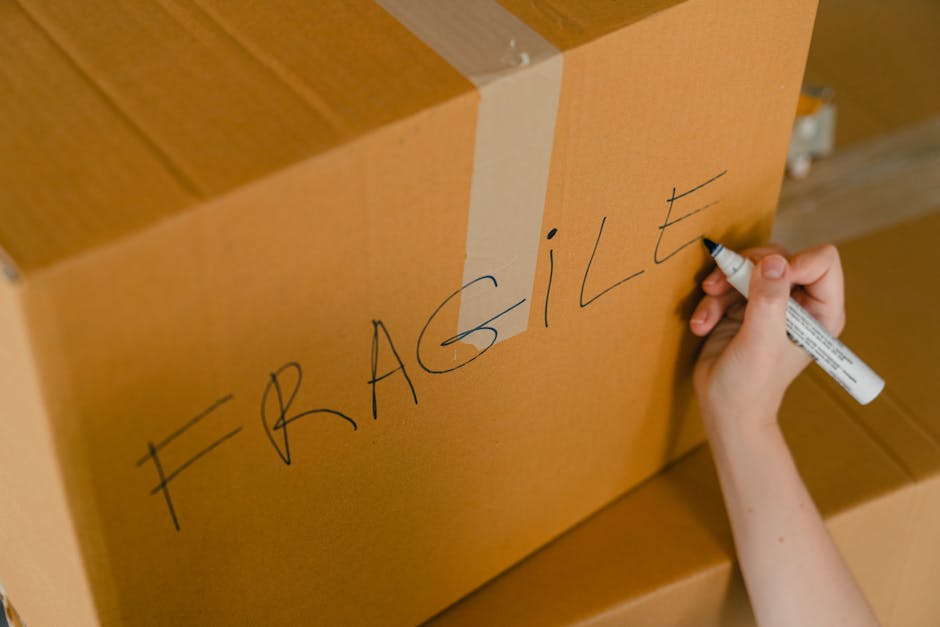
Packing support can make a move much easier to manage, particularly when there are fragile items, mixed contents or limited time to prepare. Our packing and unpacking services cover the practical side of getting belongings ready for transport and settling them again at the other end. That can be useful when customers want help with room-by-room boxing, wrapping or unpacking selected items rather than handling everything alone.
Good packing is not just about speed; it is about arranging items so they travel well. We look at what needs cushioning, what should be kept upright and what ought to travel separately from other belongings. In practice, that means grouping similar items together, protecting surfaces where needed and making loading more orderly. The result is a move that is easier to handle and less likely to leave you sorting through mixed boxes afterwards.
If you are preparing a quotation request, it is helpful to note any bulky furniture, fragile items or awkward access points so the service can be matched to the job. A short inventory is often enough, and photographs can help when there are items that may need disassembly or special loading care. For larger household moves, combining packing support with the transport plan often gives the neatest outcome.
Furniture, single items and practical transport choices
Not every removals job is a full house move. Some customers only need a few pieces shifted, collected or delivered, and that can still require a proper removal approach if the items are heavy, valuable or difficult to carry. Our furniture pick-up option is suited to those smaller but still important jobs, where the focus is on careful handling and straightforward transport rather than a full moving day.
Choosing the right vehicle and crew matters as much for smaller jobs as it does for bigger ones. A moving van or moving truck may be appropriate depending on the size of the load, the quantity of furniture and the level of access at each end. We aim to keep the arrangement proportionate: there is no value in sending more capacity than the task needs, but underestimating the load can make the day less efficient.
For items that need to be moved without delay or combined with other household belongings, a well-planned transport run can be the most practical option. We can assist with single-item moves, partial room clearances and furniture transfers between properties, provided the job details are clear. If you want to discuss how the load might be handled, a concise list of items is a sensible starting point before you ask for a quotation.
Office and commercial removals
Office moves bring different priorities from domestic removals. Equipment, documents, furniture and workstations often need to be taken apart, moved in a sensible sequence and delivered so the next stage of setup is manageable. Our office removals service is designed around commercial relocation work where order and coordination matter, and our office relocation services page gives a useful overview of how a business move can be approached.
For some customers, the move may be larger or involve multiple departments, storage rooms or commercial furniture. In those situations, a broader planning conversation helps decide what should be moved first, what can be dismantled in advance and whether the project needs transport support over more than one stage. Our commercial moves page is a useful reference if you need a service that extends beyond a single office room or desk transfer.
Commercial removals work best when the scope is clear. That includes access times, lift use, parking options and whether there are items that must be handled with extra care. We can then shape the moving plan around the actual business needs rather than relying on a generic schedule. If your move involves a mix of furniture and equipment, it is worth noting that early so the removal arrangement can be kept sensible and efficient.
Vehicle and crew options for different loads

Some moves need a full removal team; others are better suited to a simpler vehicle-led arrangement. Our service pages for man with van, man with van removal and man and van removals reflect that range of practical options. They can be useful for customers moving between flats, transporting selected belongings or arranging a shorter-distance move that still benefits from loading help.
The key choice is usually how much support you want with carrying, loading and unloading. A compact arrangement may be enough for a few items, while larger domestic or office moves may be better handled with a fuller removals team. Our removals van and removal van pages can help you think about the transport side, especially where vehicle capacity is a central part of the decision.
If you are unsure which arrangement fits best, it is often helpful to focus on the heaviest items first and then add the number of boxes, bags and additional pieces around them. That gives a more realistic picture of the job than simply estimating the move by room count alone. Accurate load information is particularly useful when access is tight or when furniture needs to be carried a longer distance.
Support for house and flat removals
Residential removals can range from straightforward loading to more involved moves where furniture needs disassembly, protection and careful placement in a new property. Our house removals service covers the main domestic moving work, while removals and removal company pages are useful if you want to understand the wider scope of the service we provide. These pages help set out the practical options without overcomplicating the process.
Some customers only need support with a few rooms or selected pieces, while others are moving the contents of a full home. The type of help required can change the loading sequence, the amount of padding needed and the overall size of the vehicle. We keep the approach adaptable so that the service suits the contents rather than forcing the contents into a fixed format. That is often the best way to keep a move efficient and manageable.
A sensible home move usually balances three things: the items being moved, the route they will travel and the level of help needed at each stage. Where a customer wants to reduce the strain of the day, loading assistance and careful unloading can make a noticeable difference. Where the move is simpler, transport only may be enough. The point is to choose the support that matches the move, not the other way round.
About Edgware
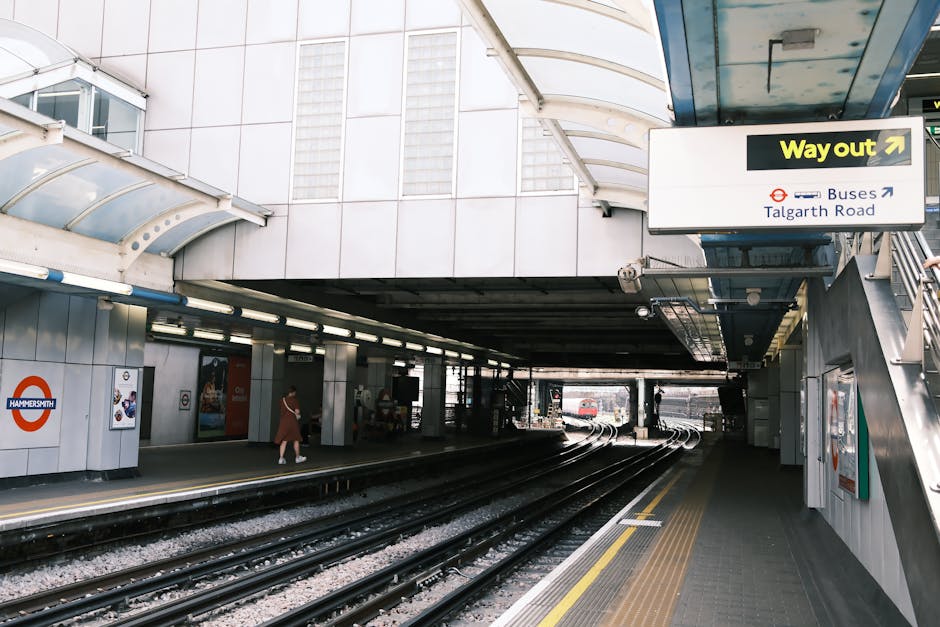
Edgware is a north-west London district with a long history as a settlement on the old Roman road that later became Watling Street, now echoed by the modern A5 corridor. It sits on the edge of the London Borough of Barnet and has developed from a village into a suburban centre with a mix of high street retail, residential streets and transport links. The area is strongly associated with its Underground station on the Northern line, which has long connected it to central London and other parts of the capital. Around the district, the street pattern reflects layers of growth rather than a single planned core, with older routes, later housing and commercial strips overlapping. Edgware also has places of worship, schools, local shops and civic buildings that give it a more layered character than a simple commuter suburb. Nearby green spaces and open land add contrast to the built-up streets, while the district’s position near borough boundaries means its edges blend into adjoining neighbourhoods. The result is a place that is both practical and varied, with everyday local life shaped by transport, commerce and long-standing residential communities.
Planning access, timing and price factors
Removal work becomes easier to manage when the practical details are clear from the outset. Access is often a major factor: lifts, stairs, narrow hallways, long carrying distances and parking restrictions can all affect how a move is organised. If there are awkward items, such as large wardrobes or appliances, that can also influence the method used. The same applies to the timing of the move if a property handover or building access window is involved, because the schedule may need to be arranged around those limits.
When we prepare a quotation, we look at the actual scope rather than applying a one-size-fits-all formula. That usually means considering the type of property, the amount of furniture, whether packing support is needed and whether dismantling is likely. For some customers, a smaller and simpler job may be handled with a compact crew and vehicle. For others, a move with more contents or more difficult access needs a broader plan. Clarity at this stage helps keep the quotation relevant to the move itself.
Two practical steps can help you start the process well: first, make a basic list of the larger items and any fragile pieces; second, note anything unusual about access, parking or lifting. That gives the removal plan enough detail to be realistic without making the enquiry complicated. If you have that information ready, you can move from initial planning to a more accurate quote with less back-and-forth.
Helpful service pages when choosing your move

When comparing removal companies, it is often easier to decide by service type than by searching for a generic moving label. Our removals near me page can help users looking for a local service overview, while movers provides a broad reference point for moving work that may involve domestic, furniture or commercial jobs. These pages can be a useful first stop before narrowing down the exact arrangement.
For customers who want to understand the company side of the service, our about us page gives background information, and insurance and safety explains the approach taken to safe handling and protection during a move. If you are concerned with payment arrangements or how the service is administered, our payment and security page and terms and conditions are the relevant places to review.
Where sustainability matters to your decision, the recycling and sustainability page outlines how the business thinks about disposal and reuse. For customers who want to understand how complaints are handled, the complaints procedure page is available as well. These pages do not replace the moving service itself, but they do help you judge how the work is organised and what supporting information is available.
Preparing a clear quotation request
Good quotation requests are usually short but specific. A list of the main items, the property type and the destination is normally enough to begin with, and it is helpful to add any details about stairs, parking or restricted access. If there are packing requirements, dismantling tasks or bulky pieces, it is worth mentioning those too. That gives the service a workable picture of the job and avoids assumptions that can lead to the wrong type of arrangement.
You do not need to write a long explanation for every item in the property. The aim is simply to provide the information that changes the scale of the move. A few plain details are often better than a rushed guess. If the load is straightforward, that can be reflected in the plan; if the move is more involved, the quotation can take that into account without adding unnecessary complexity. This approach helps keep the process focused on what matters.
For a quick next step, you can request a quotation once you have the main details ready, or review the relevant service pages to narrow down the arrangement first. If you prefer to keep things simple, send the move information and ask for the most suitable option rather than trying to decide every detail yourself. Contact us when you are ready to discuss the work and receive a tailored response.